Cultural Context
A Symphony of Levant Spices and Parisian Technique
Greece’s official culinary philosophy is grounded in simplicity, pristine regional olive oils, and seasonal reverence. Yet moussaka stands as the nation’s supreme formal Sunday dish — an intentional dialogue between Eastern Ottoman aromatics and early twentieth-century French culinary prestige.
"Greek cuisine is strongly connected to regional traditions, local ingredients and simplicity. In moussaka, simplicity does not mean lack of care; it means respecting each raw component until they marry into a single, cohesive harmony."
— Aegean Gastronomic Observations
The Tselementes Revolution
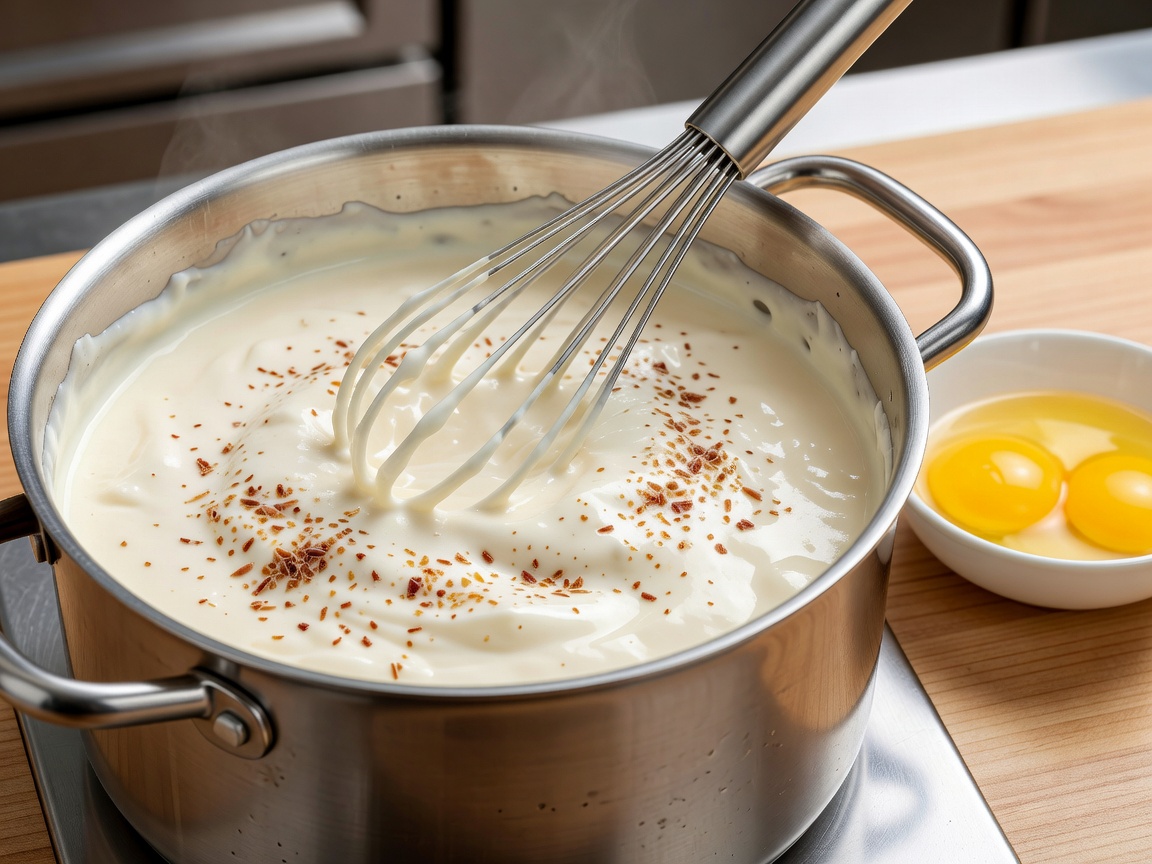
Before Nikolaos Tselementes published his seminal 1926 Greek cookbook, Greek home cooks assembled aubergine and lamb casseroles in clay pots without dairy toppings, seasoned with cumin, garlic, and fresh mint. Tselementes, having apprenticed in St. Moritz and Paris, sought to elevate Greek cooking into international high dining by introducing the roux-based sauce béchamel.
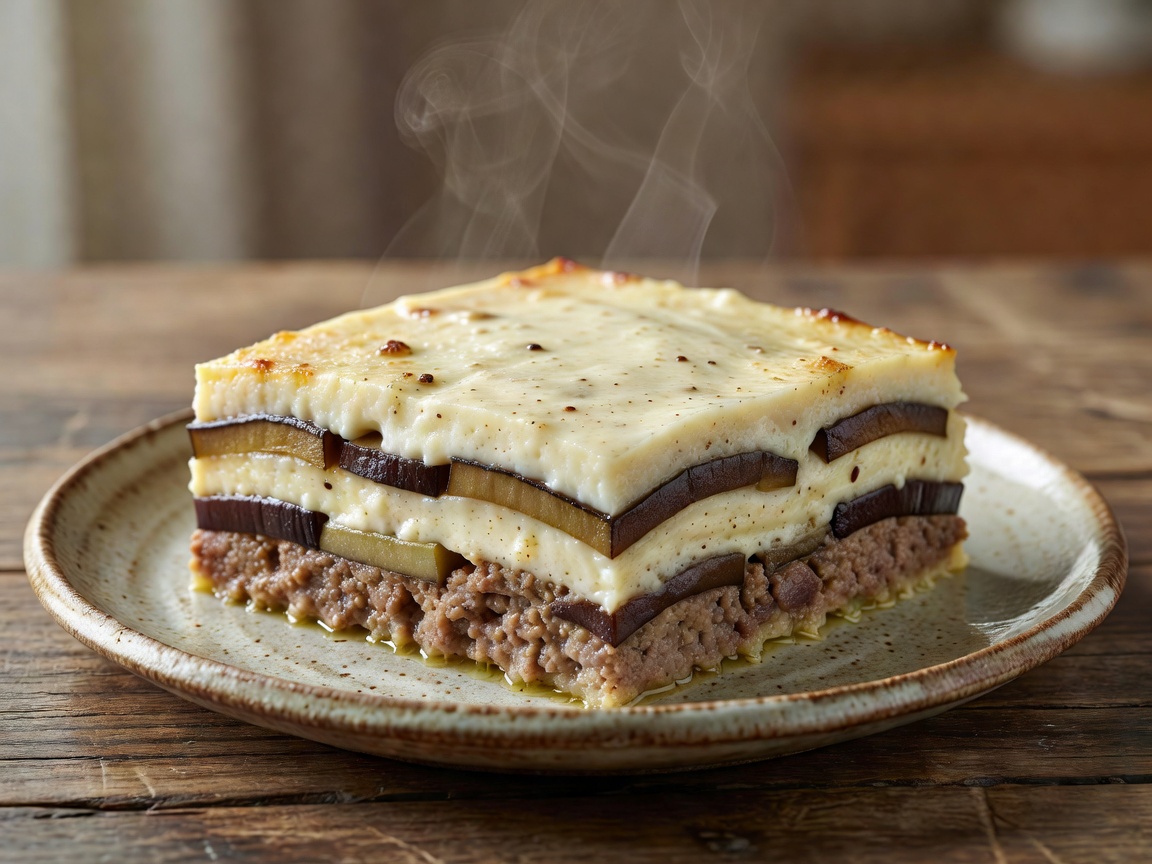
His culinary intervention permanently altered Greek kitchens. The heavy French cream sauce was quickly adapted by Greek grandmothers (yiayiades), who folded in leftover dry sheep’s milk cheeses like aged Kefalotyri from Crete and sweet grated Graviera from Naxos, establishing the iconic golden gratin top layer that defines the dish worldwide today.
Ingredient Purity over Complexity
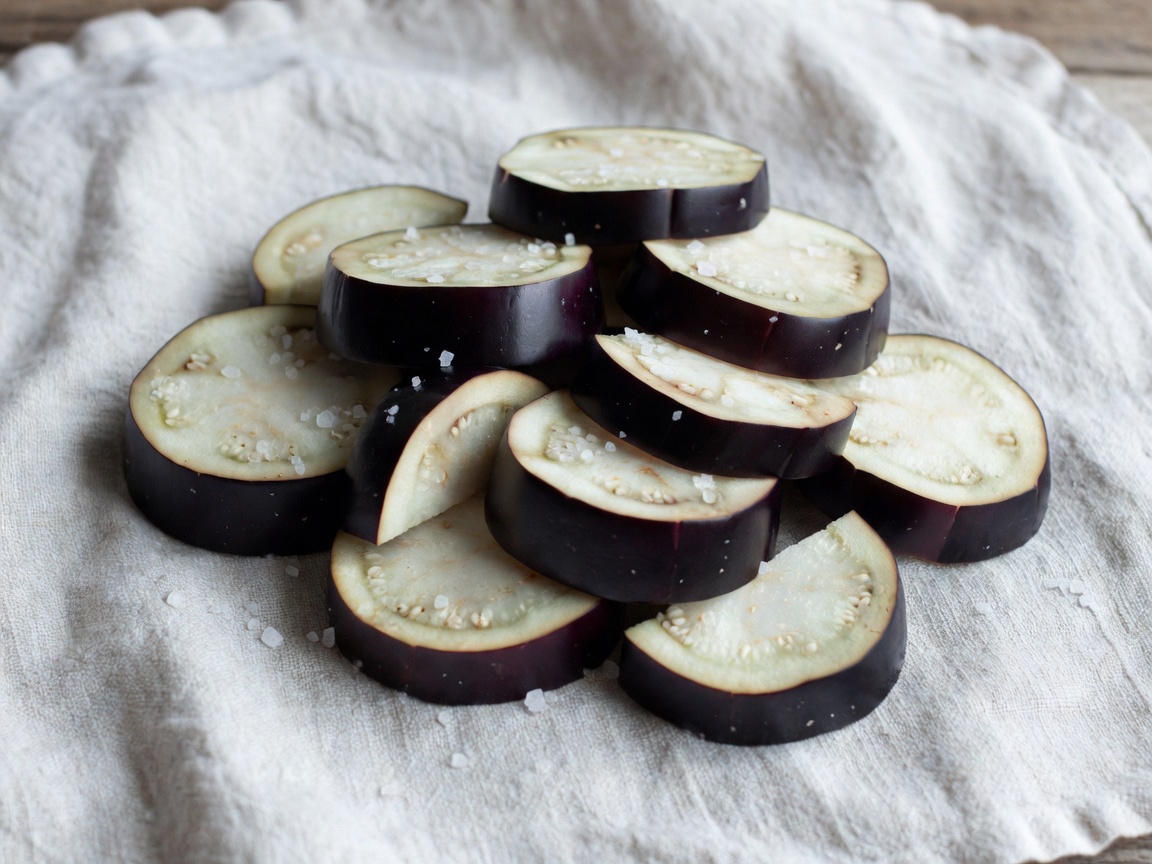
Authentic moussaka demands single-origin extra virgin olive oil with low acidity, sun-ripened summer eggplants picked before seed maturation, and lamb raised on wild thyme hillsides. When these unadorned materials undergo disciplined salting, slow browning, and proper moisture reduction, the result is dense, savory perfection without a hint of greasiness.
 Stage 01